Kastalia Knowledge Management System · Glasperlenspiel template · knot 1522
Reinforcement learning
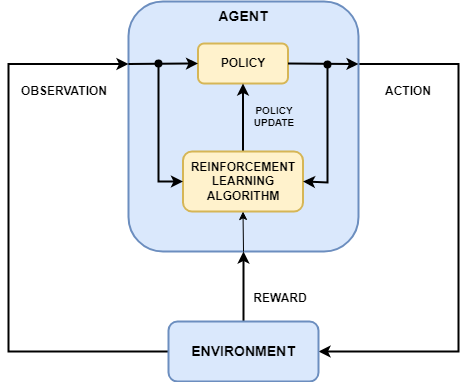
Reinforcement learning (RL) is a machine learning paradigm where an agent learns to make decisions by interacting with an environment. Instead of being told what to do, the agent takes actions and receives feedback in the form of rewards or penalties. The goal is to maximize cumulative rewards over time by discovering an optimal strategy, known as a policy. RL is inspired by trial-and-error learning in humans and animals, where behavior improves through experience. It’s particularly useful for tasks with sequential decision-making, such as robotics, game playing, and autonomous systems, where actions impact not only immediate rewards but also future outcomes.
Ancestors (1 superordinated path)
root/
baumhaus.digital/
Art, Cognition, Education/
Human and Machine Learning/
Reinforcement learning
Descendants (at least 12 branches originate here)
-
Reinforcement learning
Reinforcement learning (RL) is a machine learning paradigm where an agent learns to make decisions by interacting with an environment. Instead of being told wha
-
is_parent
 From supervised to reinforcement learning
·
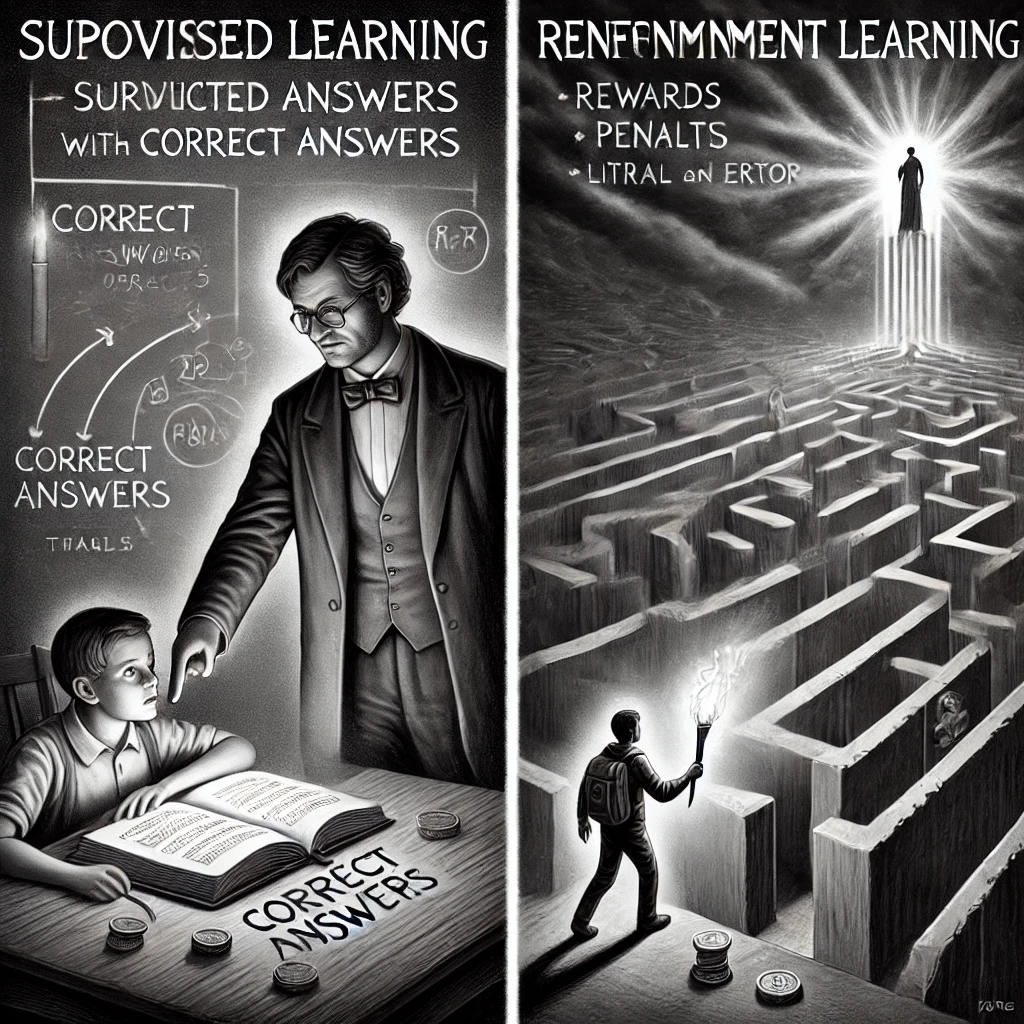
Supervised learning resembles a structured classroom environment, where explicit feedback is given for each example (e.g., a teacher correcting a student's answ
From supervised to reinforcement learning
·
Supervised learning resembles a structured classroom environment, where explicit feedback is given for each example (e.g., a teacher correcting a student's answ -
is_parent
 Law of Effect
·
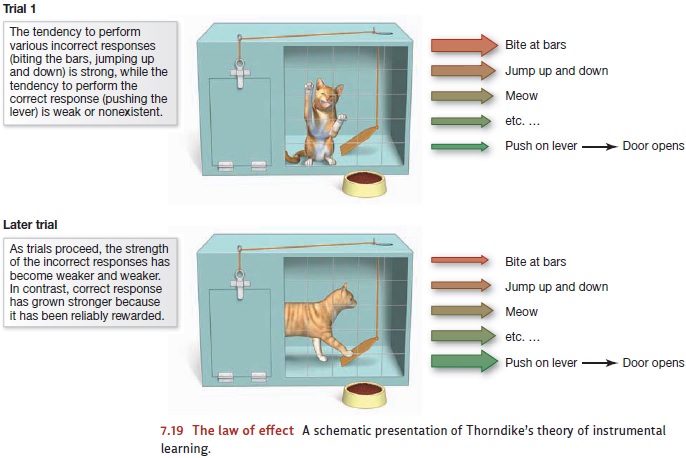
When satisfaction follows association, it is more likely to be repeated.
Law of Effect
·
When satisfaction follows association, it is more likely to be repeated. -
is_parent
 Agent-Environment Framework
·
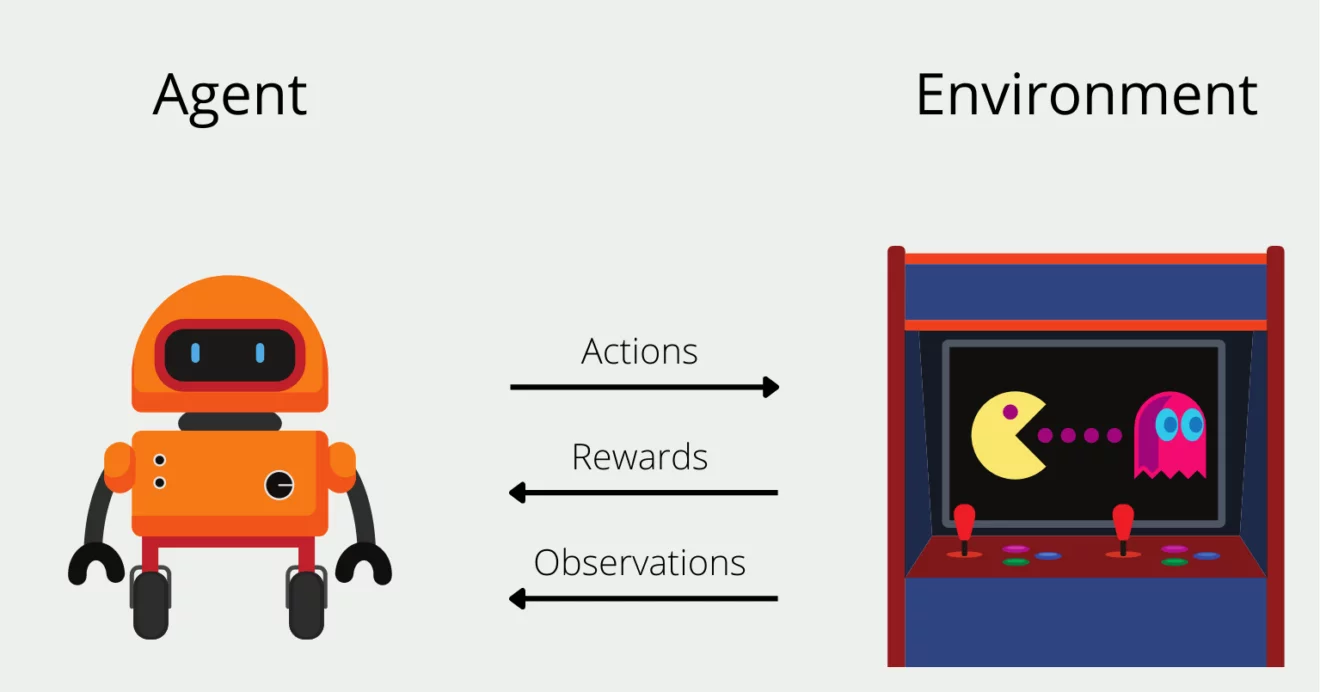
In machines, reinforcement learning (RL) is implemented using an agent-environment framework. The agent interacts with an environment by taking actions based on
Agent-Environment Framework
·
In machines, reinforcement learning (RL) is implemented using an agent-environment framework. The agent interacts with an environment by taking actions based on -
is_parent
 Q-learning
·
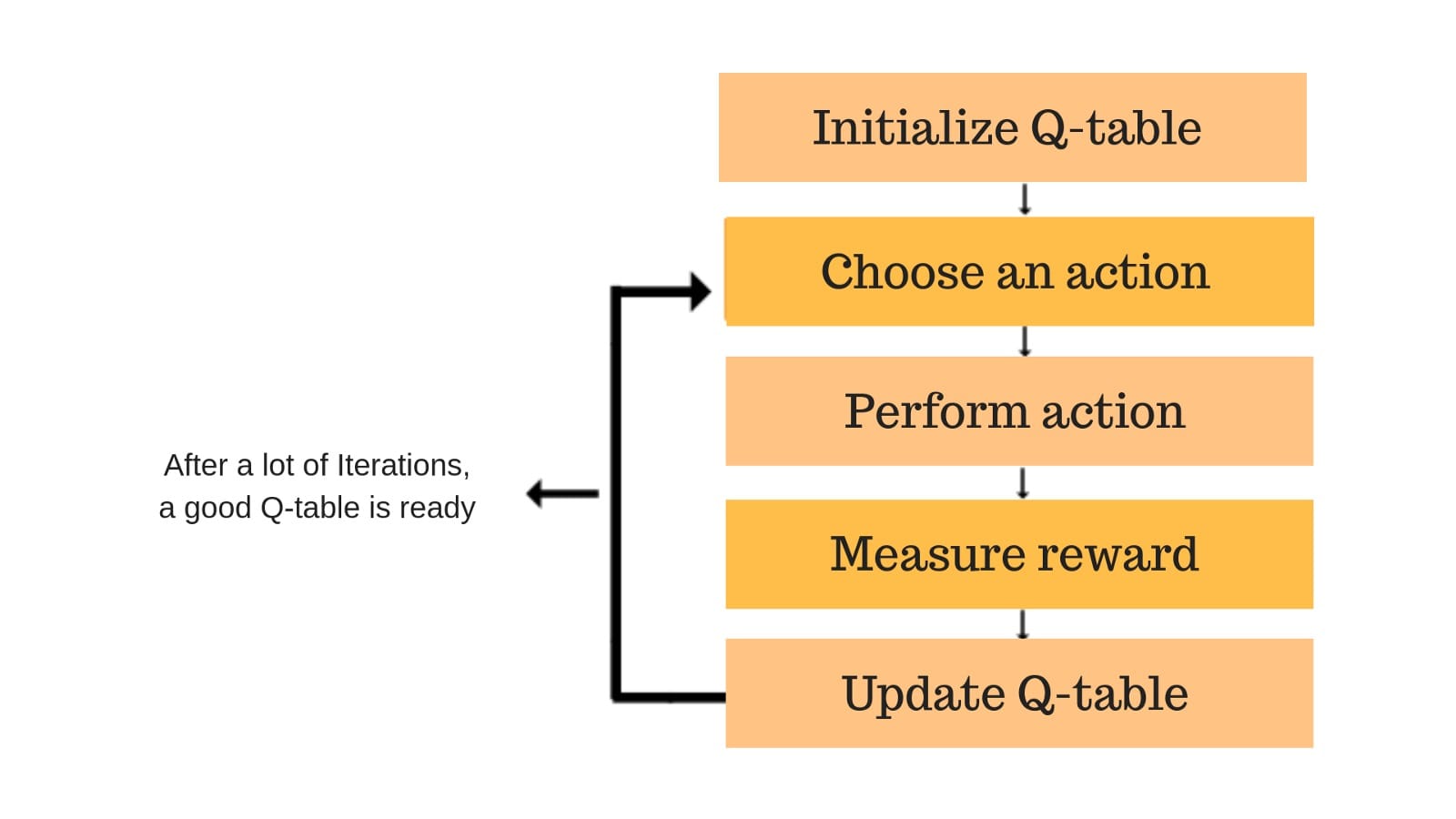
Q-learning is a model-free reinforcement learning algorithm that enables an agent to learn an optimal policy for decision-making. It works by estimating the Q-v
Q-learning
·
Q-learning is a model-free reinforcement learning algorithm that enables an agent to learn an optimal policy for decision-making. It works by estimating the Q-v -
is_parent
 Deep reinforcement learning
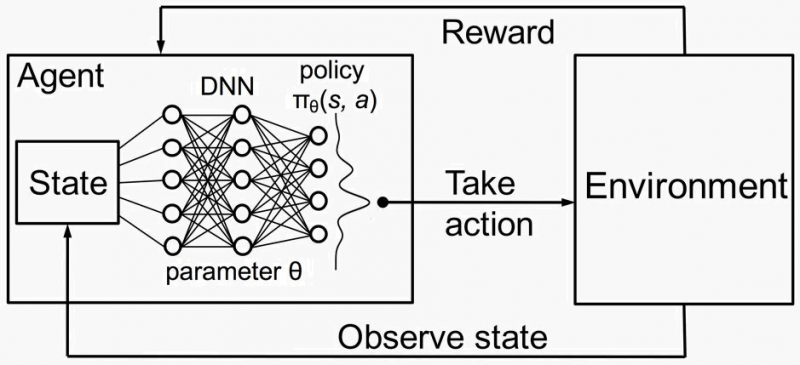
DRL is a type of machine learning where an agent learns to make decisions by trial and error, guided by rewards or penalties, using deep neural networks. Unlike
Deep reinforcement learning
DRL is a type of machine learning where an agent learns to make decisions by trial and error, guided by rewards or penalties, using deep neural networks. Unlike-
is_parent AlphaGO ·
In 2016, AlphaGo stunned the world by defeating Go champion Lee Sedol, proving that AI could outthink humans in one of the most complex games ever. Using deep l
-
-
is_parent Repetitio ·
Experiential learning, Unsupervised learning, Supervised learning, Classifiers & Machine Learning ... -
is_parent Hebb's Law
"Cells that fire together, wire together."-
is_parent Explanation ·
When two neurons in the brain activate at the same time repeatedly, their connection strengthens. This makes it easier and more probable for one to trigger the -
is_parent Art Analogy ·
Imagine practicing a particular brushstroke over and over. Each time, your hand and brain coordinate, and with practice, the connection becomes stronger and the
-
-
is_parent Conditioning ·
Conditioning is a learning process where an individual forms associations between stimuli or behaviors and their outcomes. It can be divided into two main types
-