Kastalia Knowledge Management System · Glasperlenspiel template · knot 1521
Supervised learning
Supervised learning is a type of machine learning where a model is trained on labeled data to learn the mapping between input features and corresponding outputs. The goal is to enable the model to make accurate predictions or classifications on unseen data by minimizing the error between its predictions and the true labels. Common tasks include regression (predicting continuous values) and classification (assigning categories). Supervised learning relies on a training dataset with known inputs and outputs and evaluates performance using a separate test dataset. Examples include spam email detection, image recognition, and speech-to-text systems.
Ancestors (1 superordinated path)
Descendants (at least 10 branches originate here)
-
Supervised learning 🔊
Supervised learning is a type of machine learning where a model is trained on labeled data to learn the mapping between input features and corresponding outputs-
is_parent
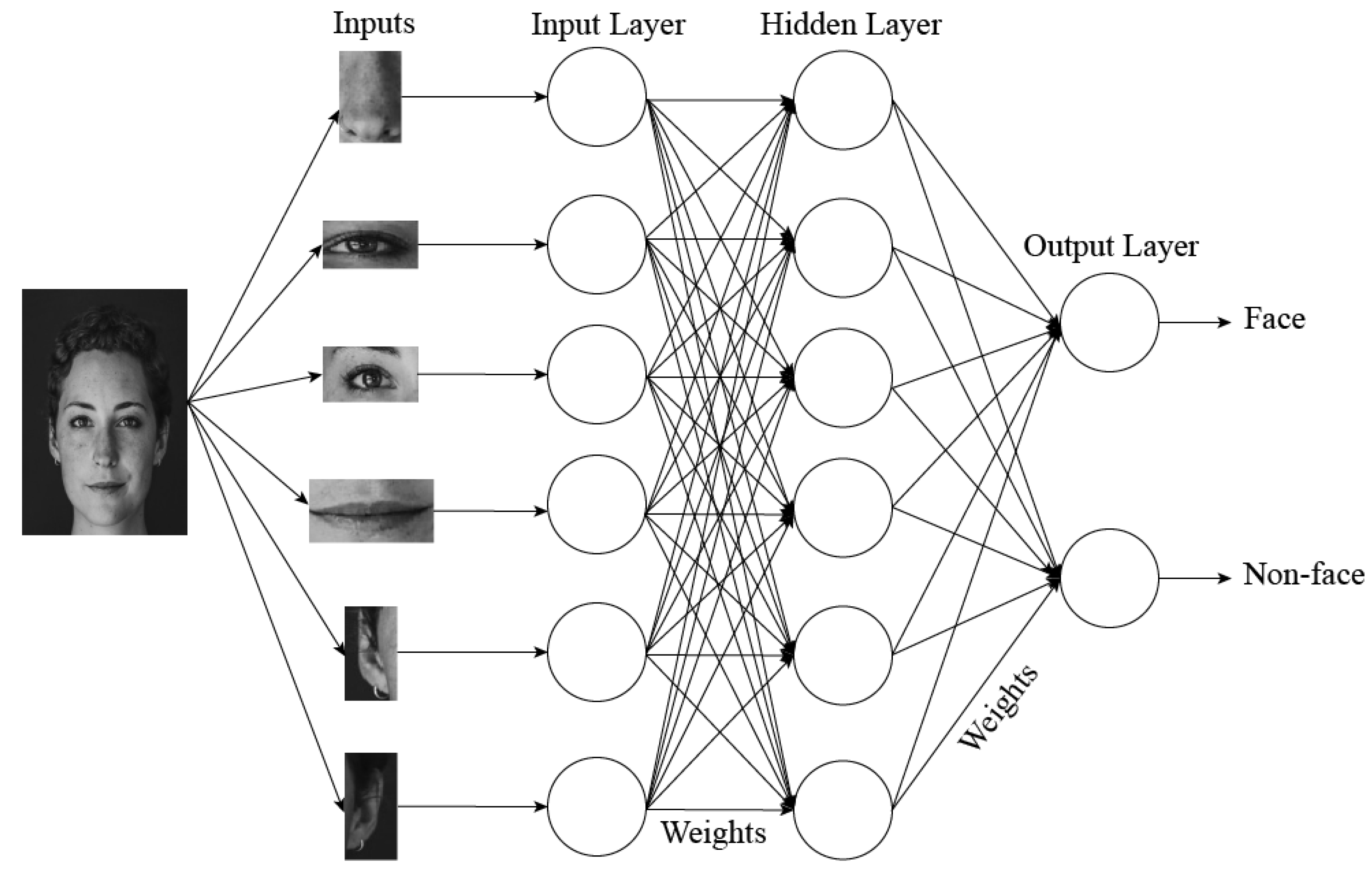 Classifiers
A classifier in machine learning is a model or algorithm designed to categorize data into predefined groups or labels. It takes input data, analyzes its feature
Classifiers
A classifier in machine learning is a model or algorithm designed to categorize data into predefined groups or labels. It takes input data, analyzes its feature-
is_parent
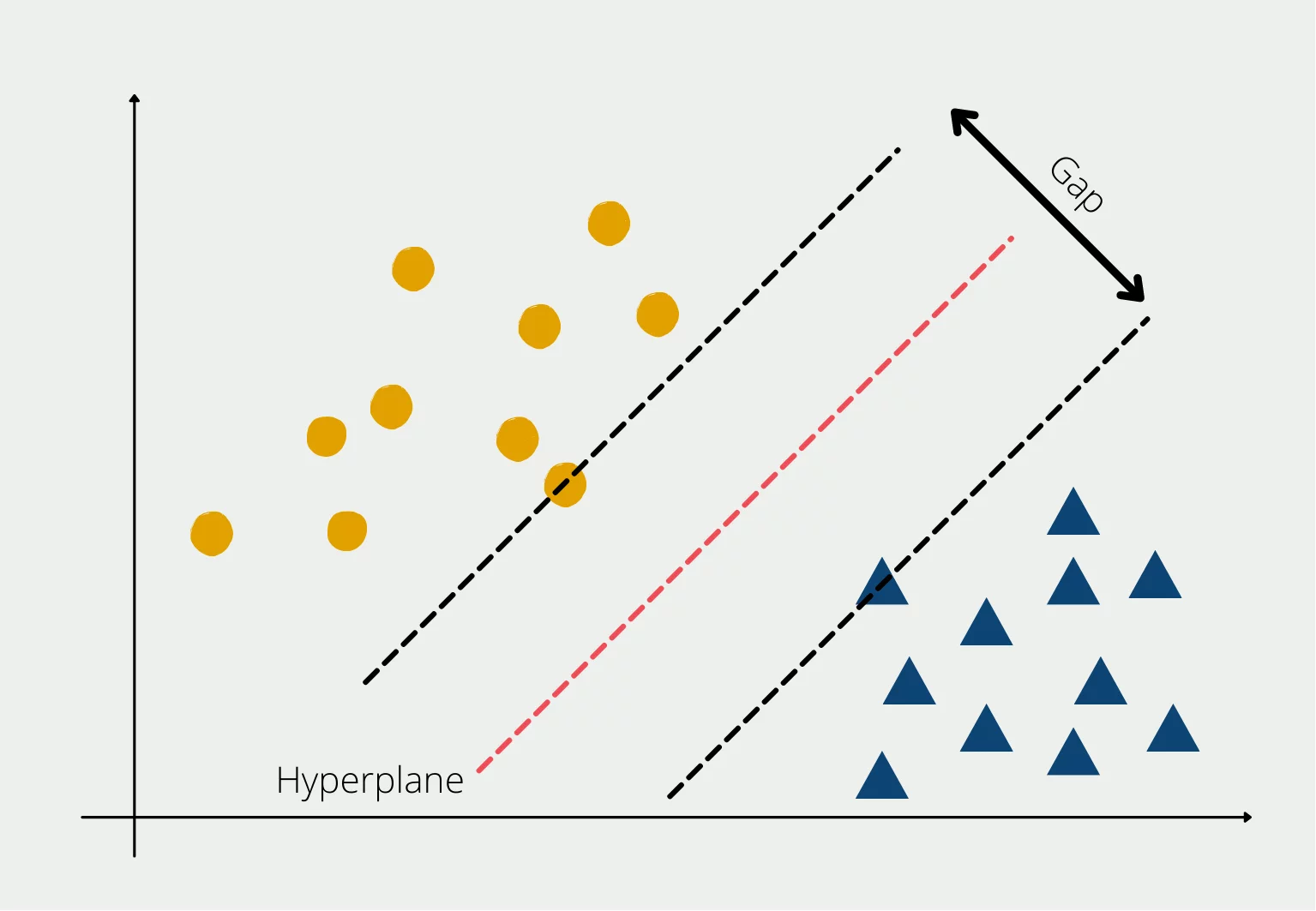 Support Vector Machines
·
A Support Vector Machine (SVM) is a machine learning method that helps divide data into categories. Imagine drawing a line (or boundary) on a graph to separate
Support Vector Machines
·
A Support Vector Machine (SVM) is a machine learning method that helps divide data into categories. Imagine drawing a line (or boundary) on a graph to separate -
is_parent
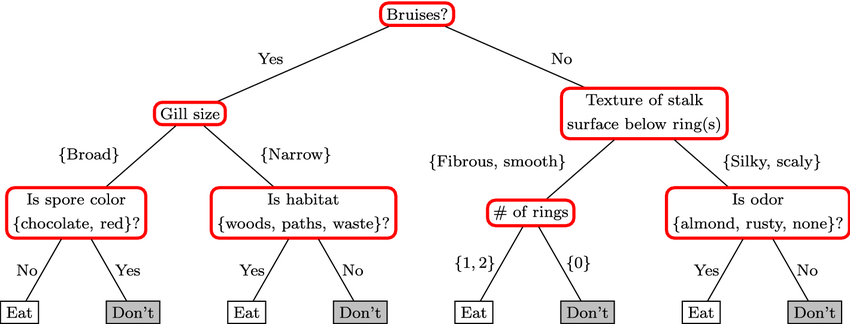 Decision Trees
A Decision Tree is a visual and intuitive machine learning method that makes decisions by asking questions about the data. It works like a flowchart, starting w
Decision Trees
A Decision Tree is a visual and intuitive machine learning method that makes decisions by asking questions about the data. It works like a flowchart, starting w
-
-
is_parent
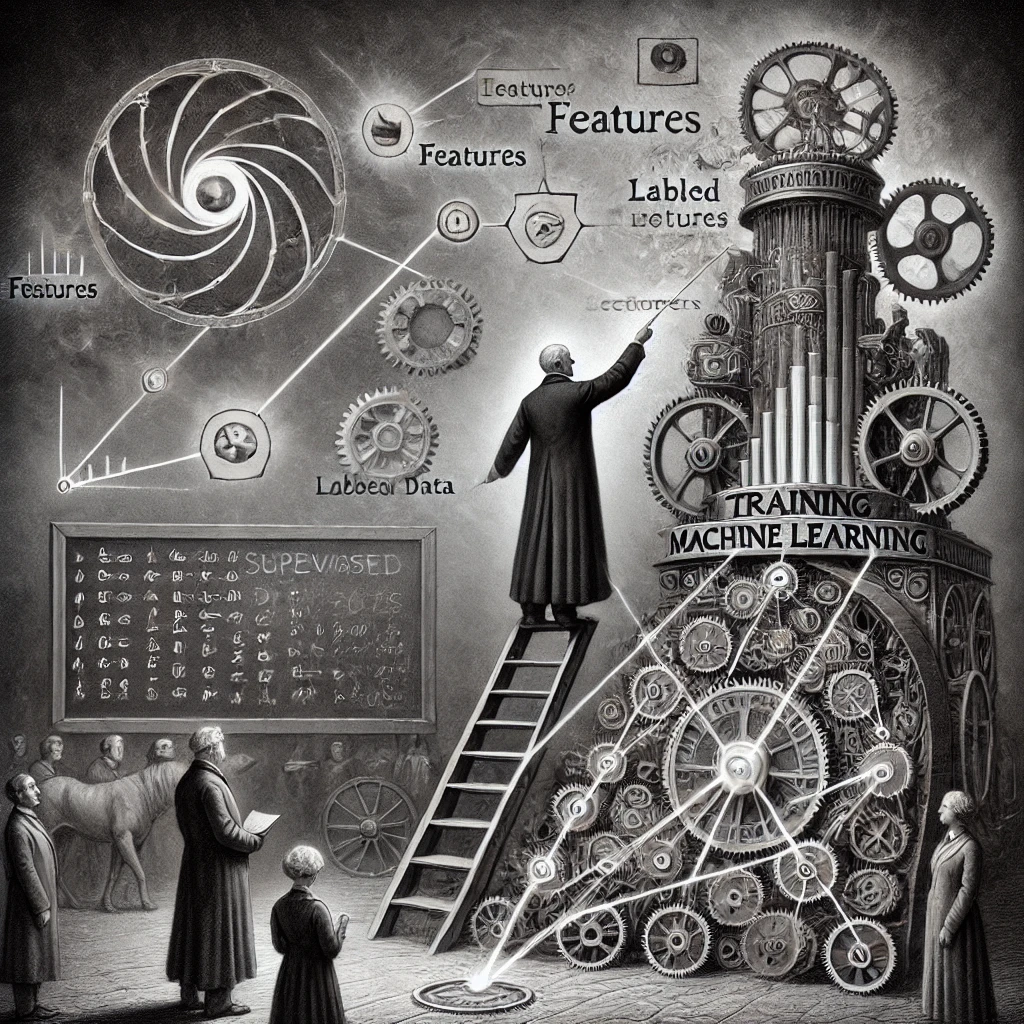 Training
·
In supervised machine learning, training is the process of teaching a model, like a classifier, to make accurate predictions by learning patterns from labeled d
Training
·
In supervised machine learning, training is the process of teaching a model, like a classifier, to make accurate predictions by learning patterns from labeled d -
is_parent Validating ·
In supervised machine learning, *validating* is the process of fine-tuning and assessing a model's performance during training to ensure it generalizes well to -
is_parent
Testing ·
In supervised machine learning, *testing* (or *inference*) is the process of evaluating a trained model's ability to make accurate predictions on new, unseen da -
is_parent
 Evaluation
·
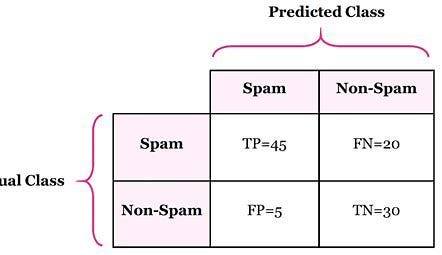
Binary classifiers are evaluated by comparing their predictions to the actual outcomes using a confusion matrix. This is a table with four categories: True Posi
Evaluation
·
Binary classifiers are evaluated by comparing their predictions to the actual outcomes using a confusion matrix. This is a table with four categories: True Posi -
is_parent Supervised learning & Human learning
Supervised learning parallels human learning through its reliance on guidance from labeled examples, similar to how humans learn with feedback. For instance, wh-
is_parent Categorization ·
Categorization is a fundamental human cognitive process where we group objects, ideas, or experiences based on shared characteristics.
-
-