Kastalia Knowledge Management System · Glasperlenspiel template · knot 1520
Experiential learning
Experiential learning is a process of learning through direct experience, where individuals engage in activities, reflect on their actions, and apply what they’ve learned to new situations. Rather than solely reading or listening, learners actively participate, often experimenting, making mistakes, and adapting.
Ancestors (1 superordinated path)
root/
baumhaus.digital/
Art, Cognition, Education/
Human and Machine Learning/
Experiential learning
Descendants (at least 10 branches originate here)
-
Experiential learning
Experiential learning is a process of learning through direct experience, where individuals engage in activities, reflect on their actions, and apply what they’-
is_parent
 Trial
·
In learning and problem-solving, a "trial" is a single attempt or effort to reach a goal or find a solution. Each trial involves testing an idea or making a cha
Trial
·
In learning and problem-solving, a "trial" is a single attempt or effort to reach a goal or find a solution. Each trial involves testing an idea or making a cha -
is_parent Repetition
In learning, skill-building, and habit formation, repetition is the process of repeatedly practicing or performing a task. This continuous repetition reinforces-
is_parent repetitio.digital.udk-berlin.de ·
-
is_parent Questio ·
What action / activity do You repeat most often ?
-
-
is_parent
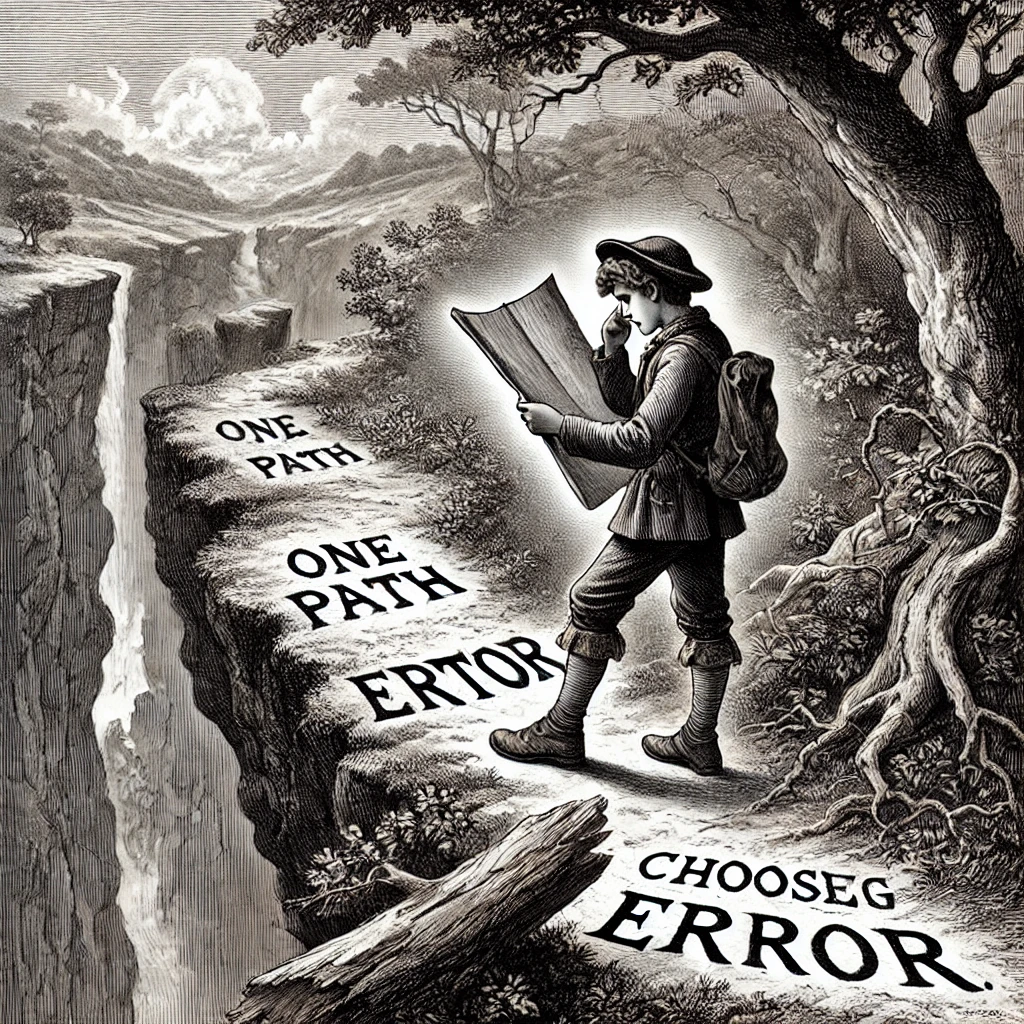 Error
In learning and problem-solving, an "error" is the difference between what we aimed to achieve and the actual result. It shows how far we are from the desired o
Error
In learning and problem-solving, an "error" is the difference between what we aimed to achieve and the actual result. It shows how far we are from the desired o-
is_parent
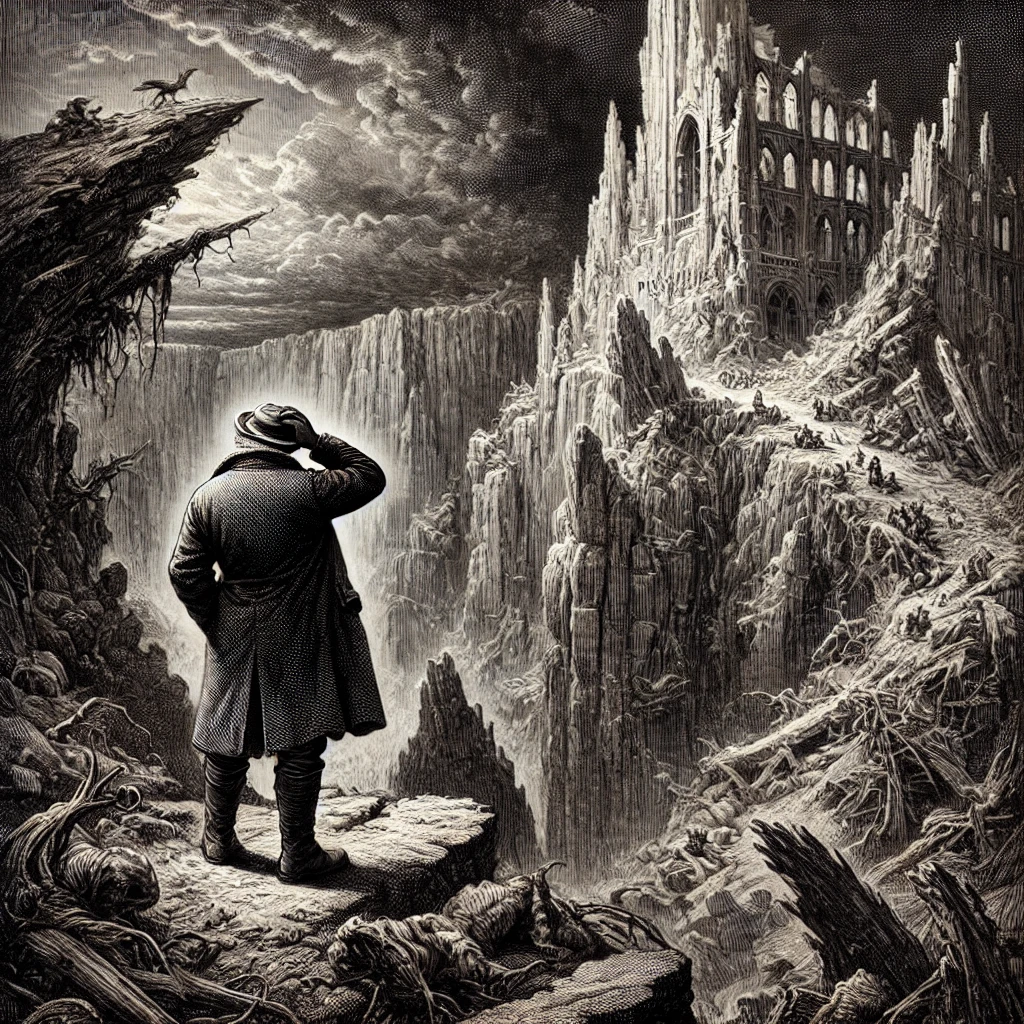 Two types of errors
·
Essentially, there are two type of errors: the "bad" errors (often happen only once)the "innocent" (unpleasant but useful minor misstep) Turn to Your neighbour,
Two types of errors
·
Essentially, there are two type of errors: the "bad" errors (often happen only once)the "innocent" (unpleasant but useful minor misstep) Turn to Your neighbour, -
is_parent sed perservere... ·
"Errare humanum est, sed in errare perseverare diabolicum" (Seneca, 62 A.D.)To err is human, to stay in error diabolical.
-
-
is_parent Game
Game provides a closed system whereby we are allowed to commit errors (& learn from them) without major consequences for real life. What is Your most favori-
is_parent
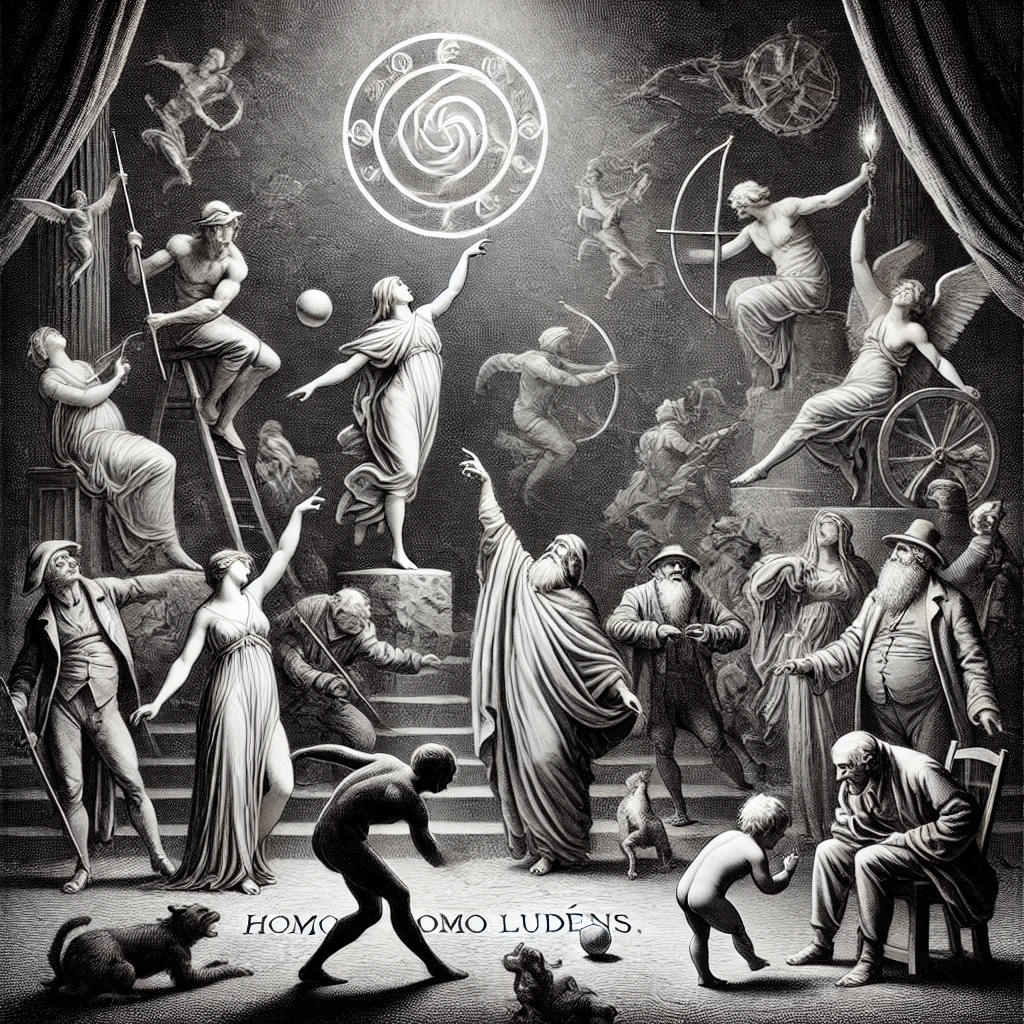 Homo ludens
·
Homo ludens, or "the playing human," is a concept introduced by cultural theorist Johan Huizinga, highlighting play as a fundamental aspect of human culture. Th
Homo ludens
·
Homo ludens, or "the playing human," is a concept introduced by cultural theorist Johan Huizinga, highlighting play as a fundamental aspect of human culture. Th
-
-