Human and Machine Learning
Homo discens
discere
Questio
What did You learn today ?
What was the most important thing You learned this year ?
Experiential learning

Trial
Error
Two types of errors
the "bad" errors (often happen only once)
the "innocent" (unpleasant but useful minor misstep)
Turn to Your neighbour, discuss the question "what was the worst error (e.g. the biggest fuckup) You ever did/caused in Your life". After 5 minutes, each couple will be asked to present at least one such error to the plenum.
sed perservere...
To err is human, to stay in error diabolical.
Repetition
Questio
repetitio.digital.udk-berlin.de
Game
What is Your most favorite game / way of playing ?
Any game You would like to bring & play with Your colleagues during the Congress ?
Homo ludens
Supervised learning
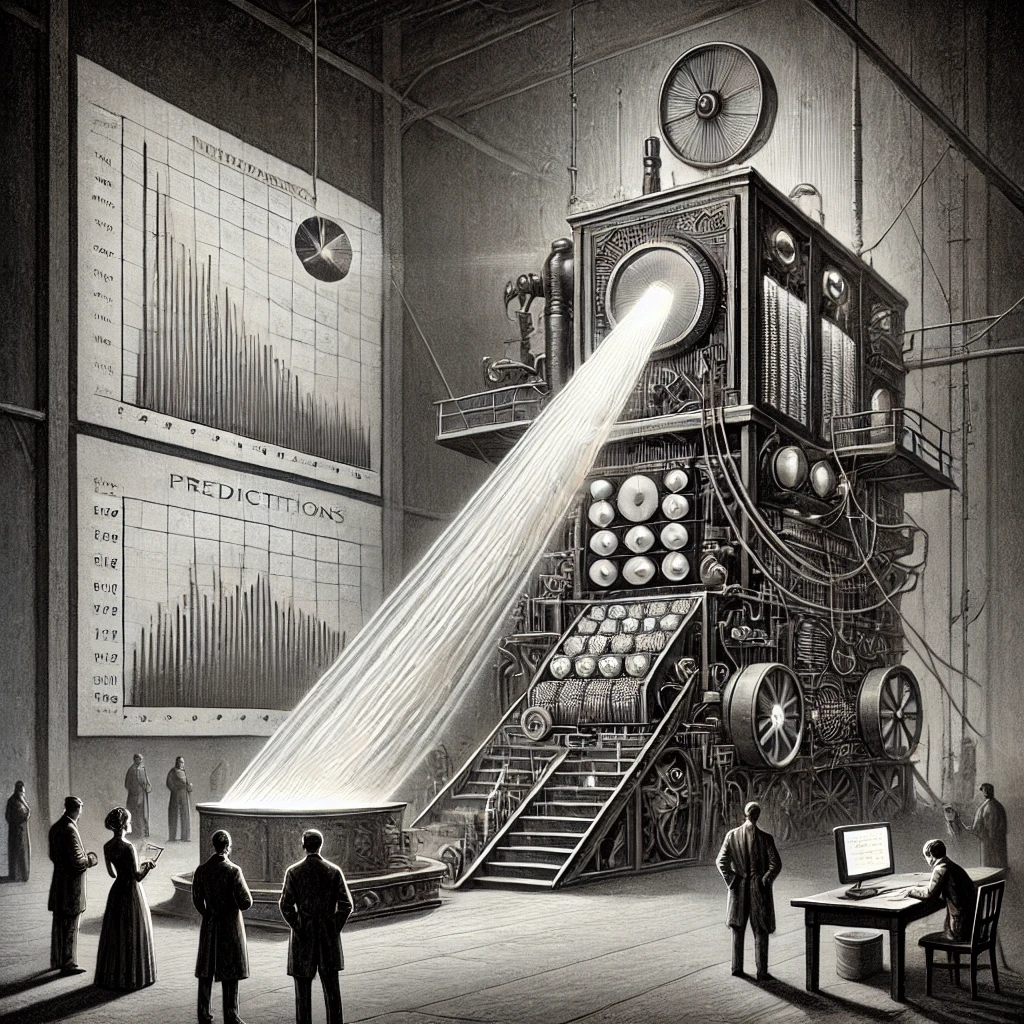
Testing
Supervised learning & Human learning
Categorization
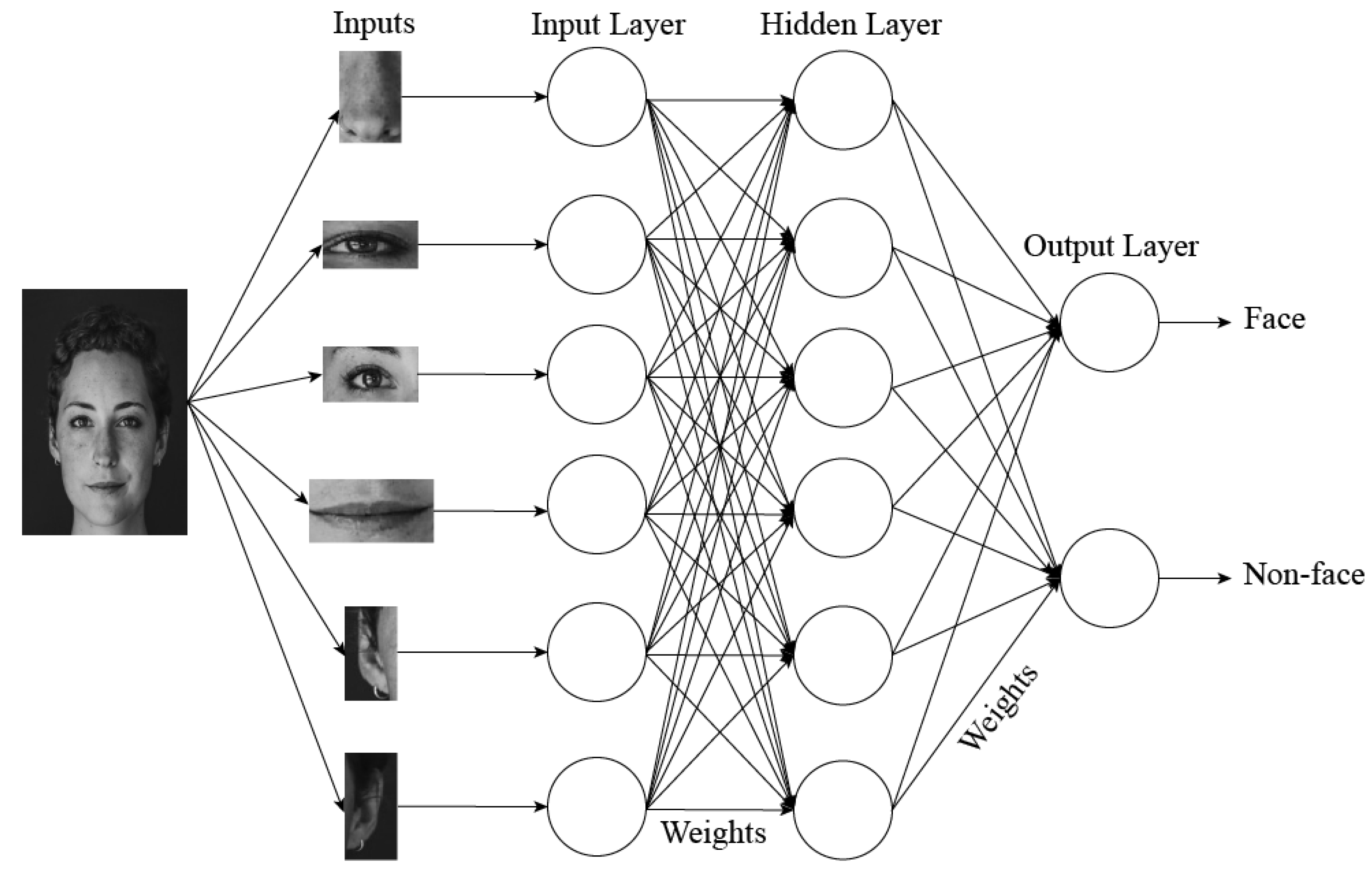
Classifiers
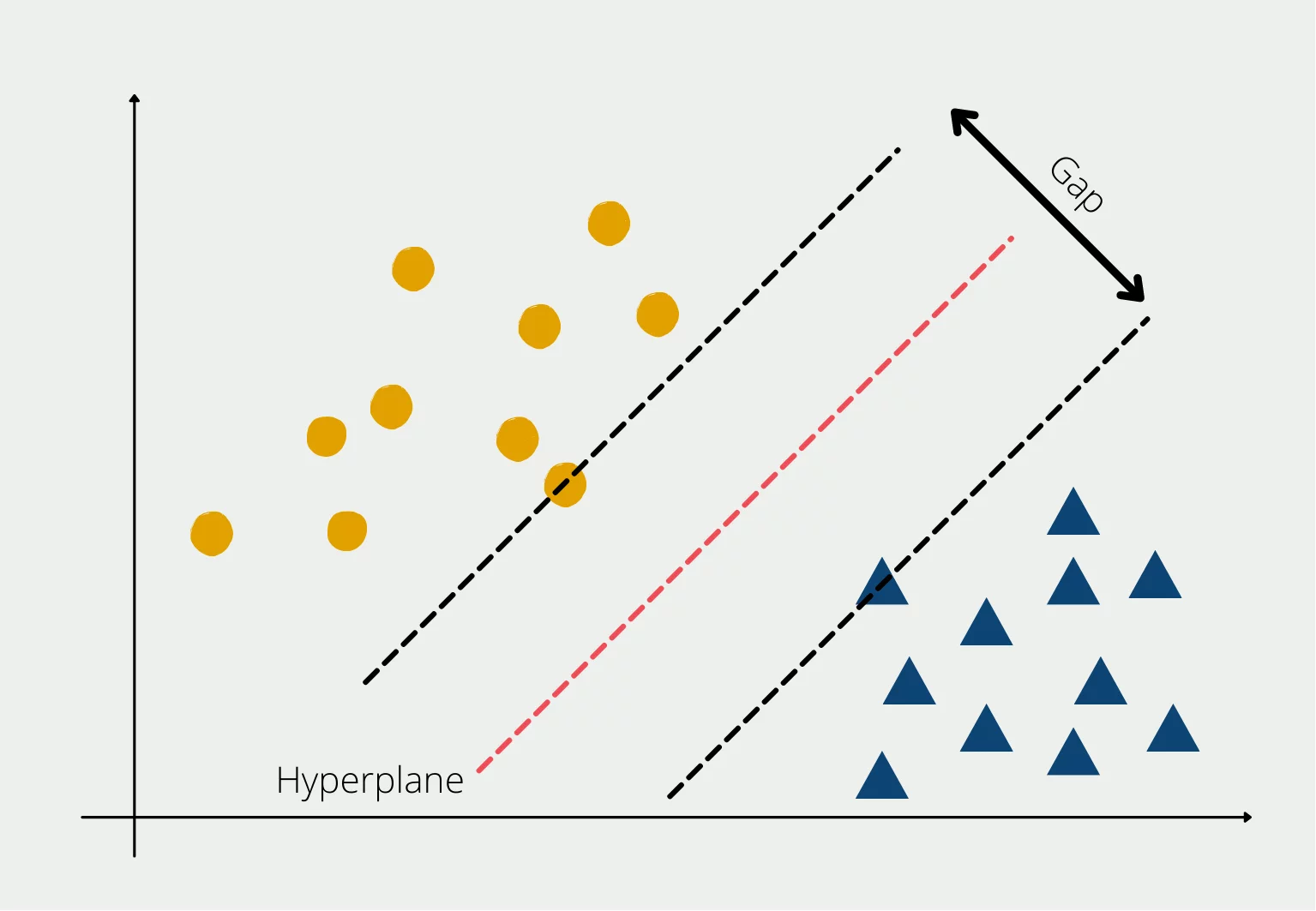
Support Vector Machines
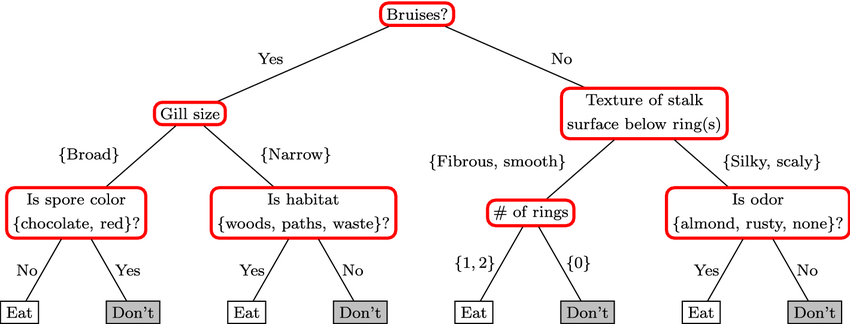
Decision Trees
Exercicio: AI Unplugged 1
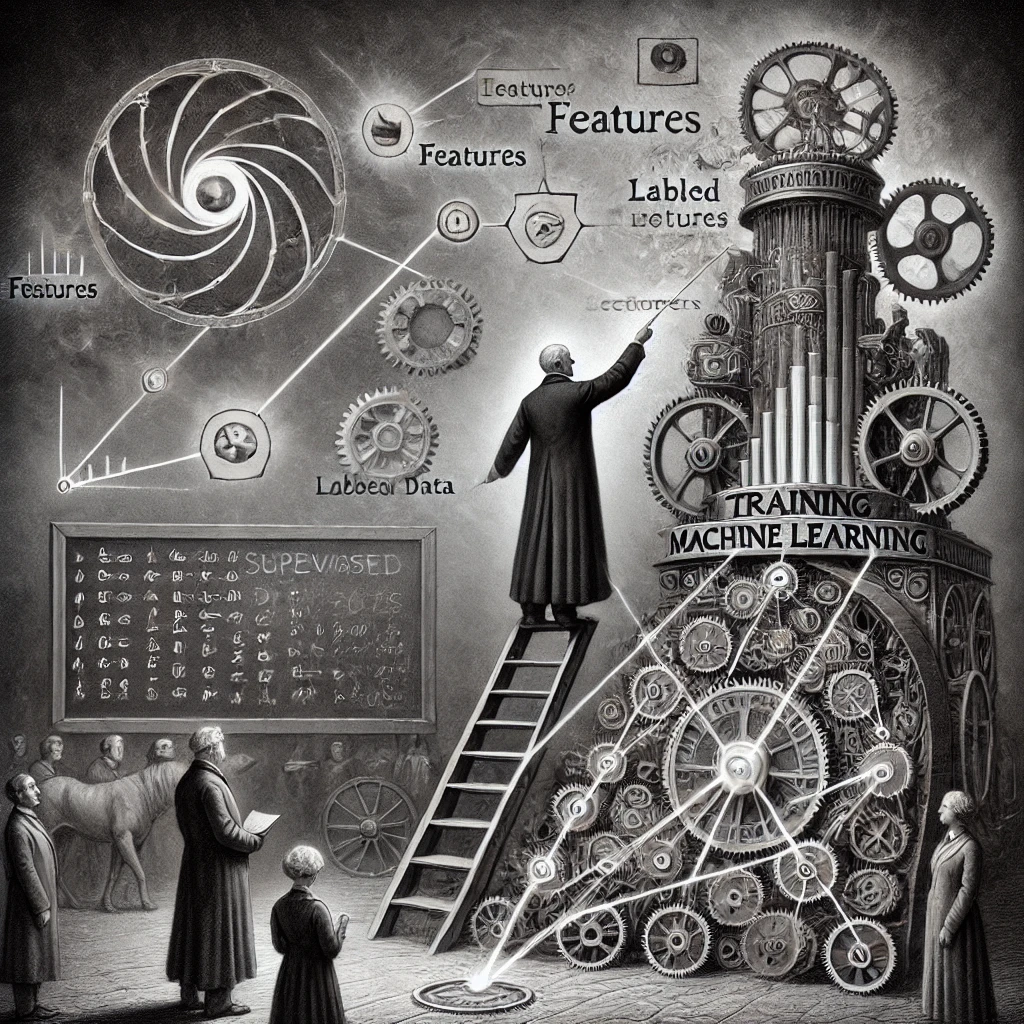
At the end ofthe training phase, the criteria formulated are exchanged with another team. Now, the students are shown the pictures of the remaining monkeys (test data) one after the other. For each image, the teams decide whether the monkey will bite or not using the scheme of rules developed by their classmates...
Training
Validating
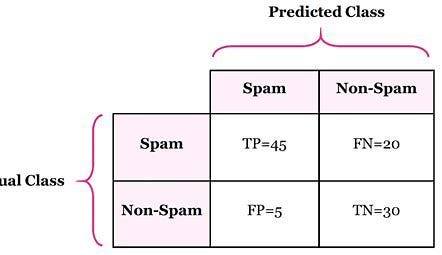
Evaluation
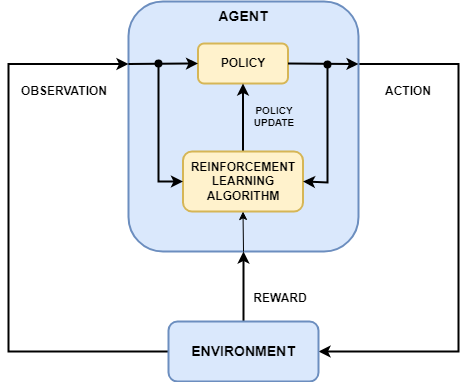
Reinforcement learning
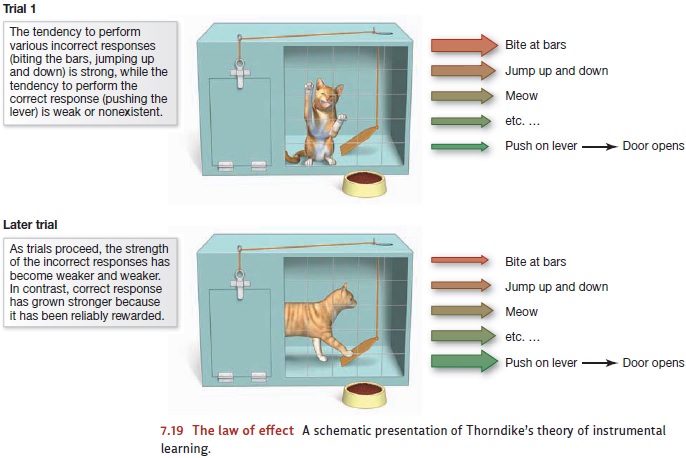
Law of Effect
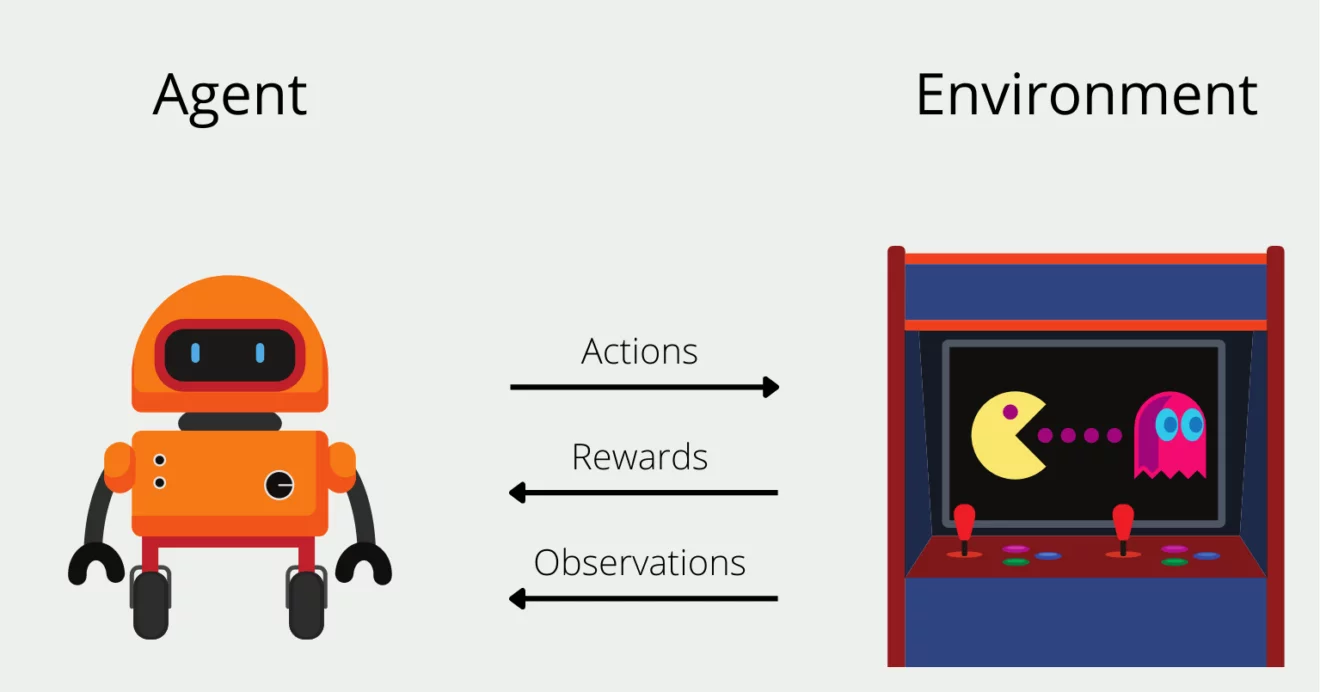
Agent-Environment Framework
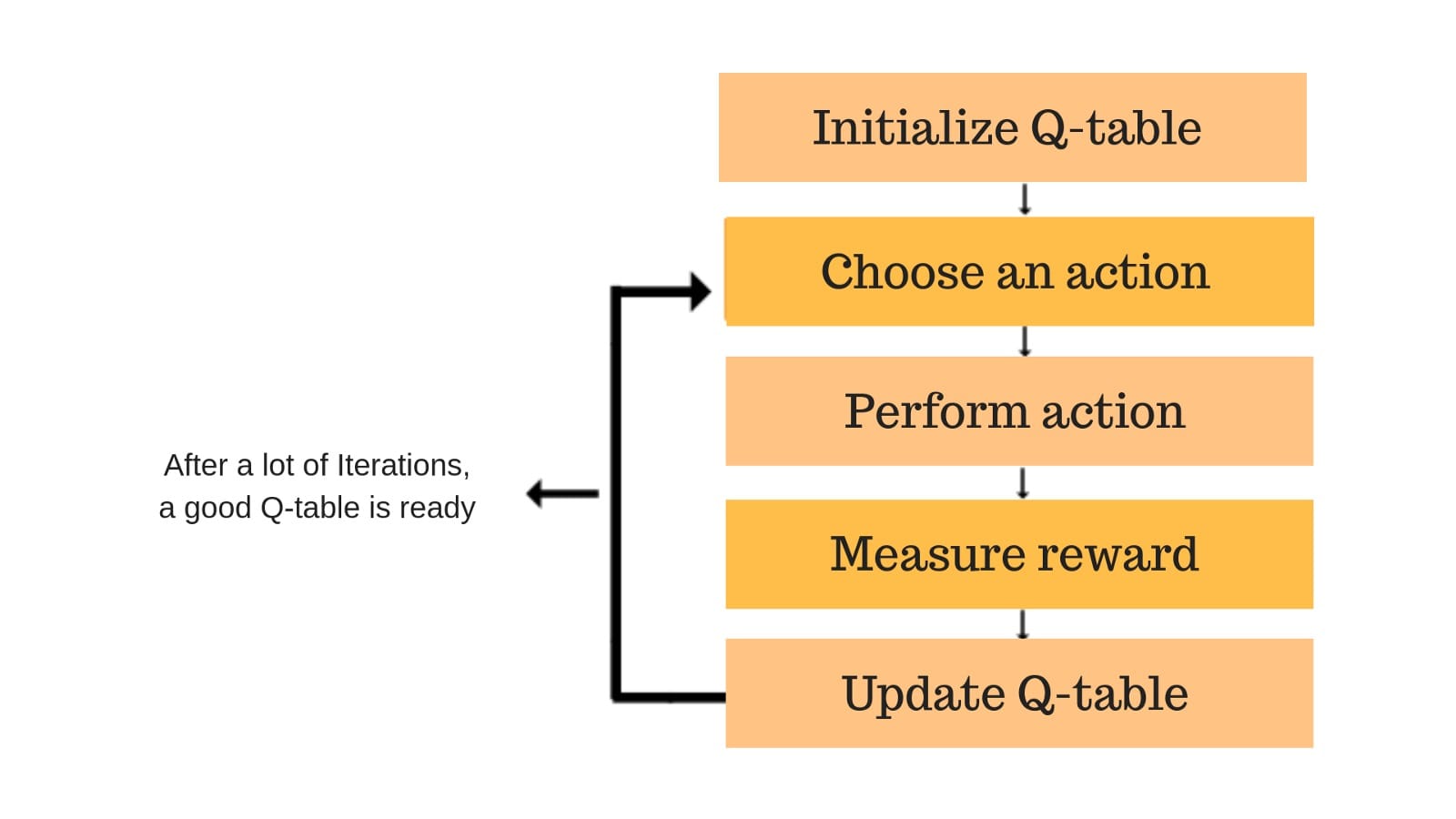
Q-learning
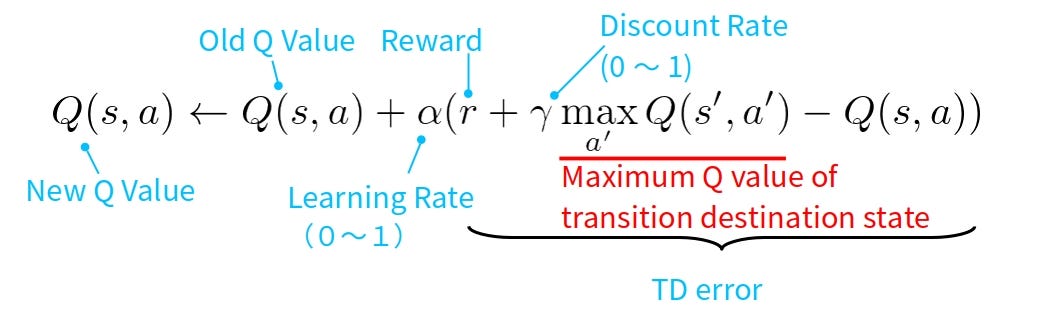
Q-learning is a model-free reinforcement learning algorithm that enables an agent to learn an optimal policy for decision-making. It works by estimating the Q-values (action-value function), which represent the expected cumulative reward for taking an action in a given state and following the best future actions. The agent updates Q-values iteratively using the formula:
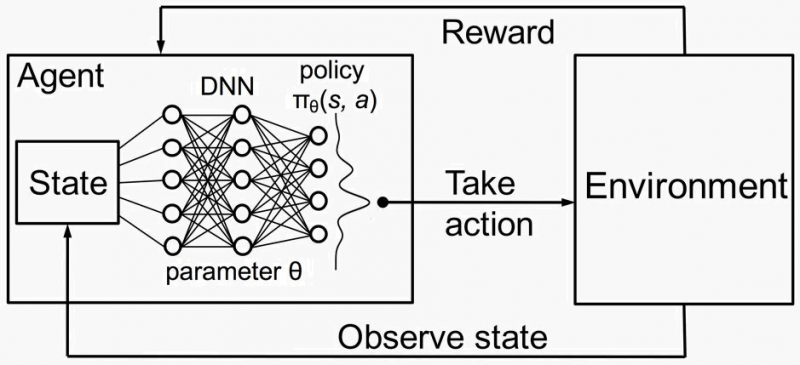
Deep reinforcement learning
AlphaGO
Hebb's Law
Explanation
Art Analogy
Repetitio
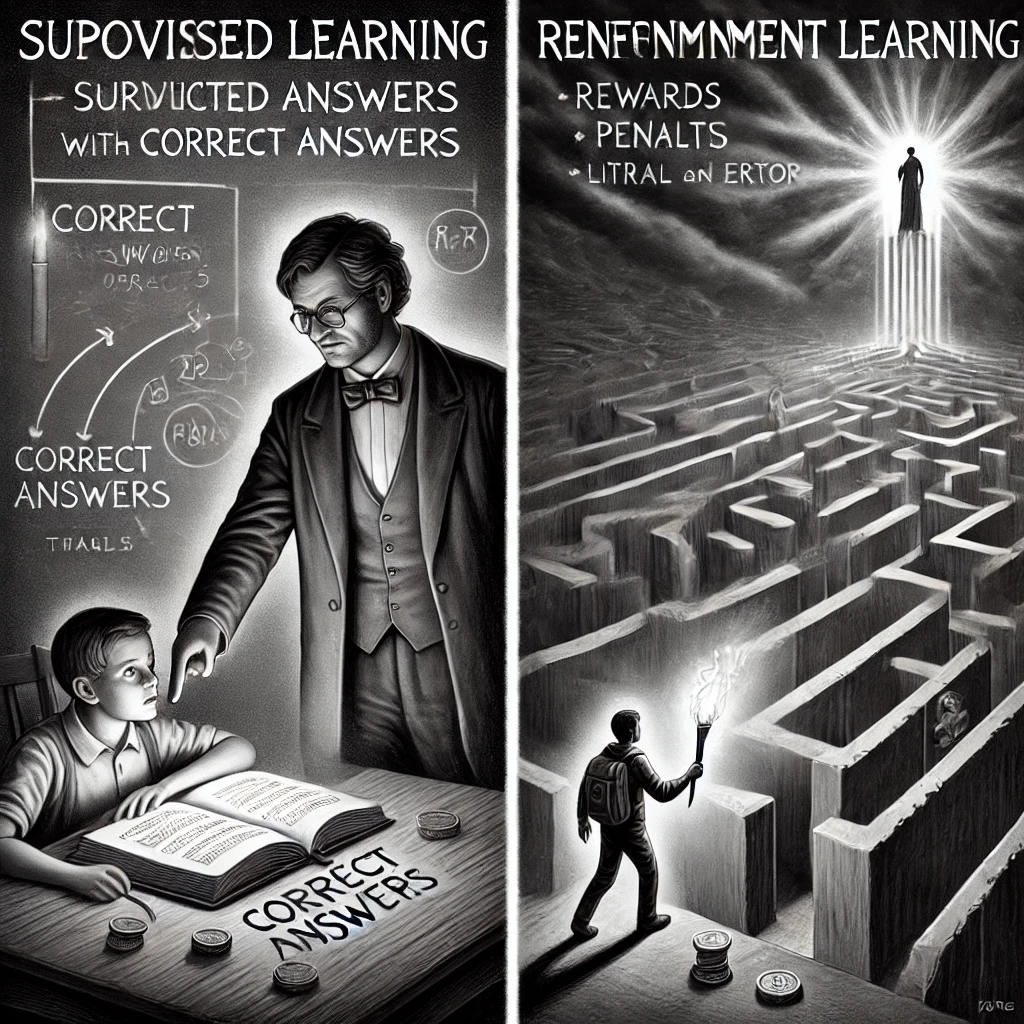
From supervised to reinforcement learning
Conditioning
Classical Conditioning: Involves pairing a neutral stimulus with a meaningful one to elicit a similar response (e.g., Pavlov’s dogs salivating at the sound of a bell).
Operant Conditioning: Involves learning through rewards or punishments, where behaviors are strengthened or weakened based on their consequences (e.g., Thorndike’s Law of Effect).
Social learning
Social Learning Theory
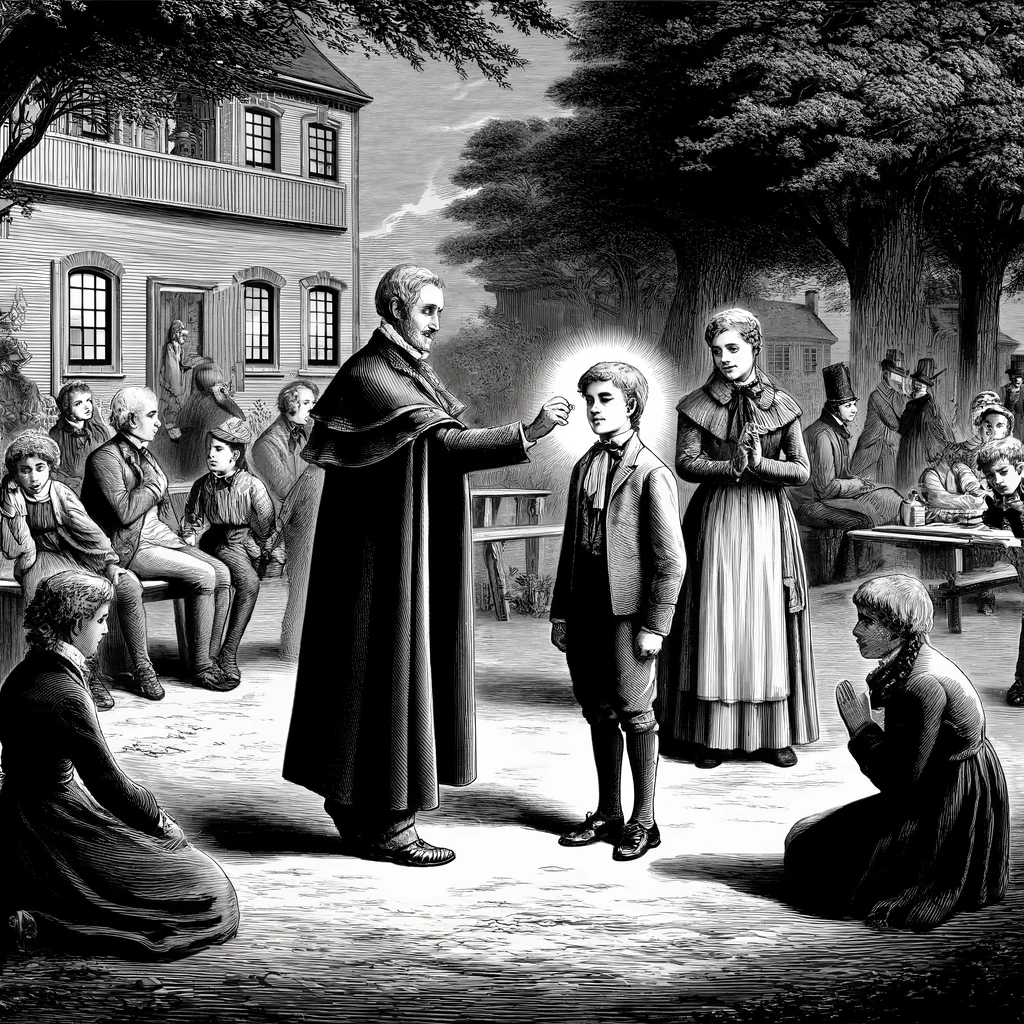
Vicarious Reinforcement
Vicarious means experiencing something indirectly, through someone else, rather than firsthand. It comes from the Latin vicarius, meaning "substitute" or "acting in place of another."
Individuals learn by observing others being rewarded or punished for a behavior.
Example: A student is more likely to participate in class if they see a peer receiving praise for doing so.
Observational Learning
Learning happens by watching others and imitating their behavior, even without direct reinforcement.
Example: A child learns aggression by observing an aggressive adult (c.f. "The Bobo Doll Experiment")
Four Key Processes of Social Learning
Attention: The learner must focus on the model’s behavior.
Retention: The behavior must be stored in memory for later retrieval.
Reproduction: The learner must have the ability to replicate the behavior.
Motivation: There must be an incentive to imitate the behavior (e.g., rewards, social acceptance).
Reciprocal Determinism
Behavior, cognition, and the environment interact in a dynamic way.
Example: A student’s shyness (personal factor) affects classroom participation (behavior), which in turn shapes peer interactions (environment).
Four pillars of learning
Consolidation
Active engagement
Attention
Error Feedback
Human-Machine Peer Learning
Teaching, Pedagogy, Didactics
Artificial Teacher Avatars
Educational Systems
Extended Educational Environments
The Congres
Implicit learning
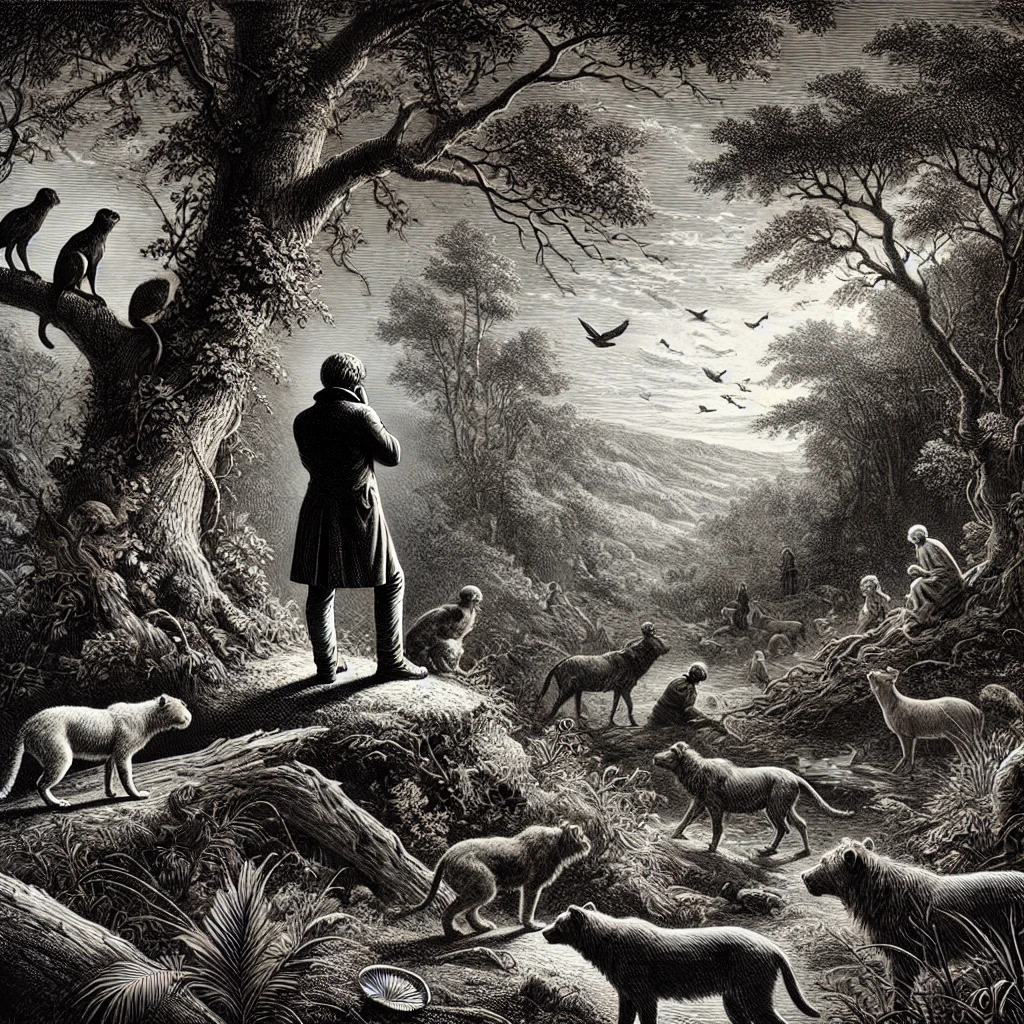
Observation
Concentric circle exercise
Divide into two groups, group 1 forms the internal circle, group 2 forms the external one.
Two people stand against each other, face to face. After posing and answering a question like:
How do You observe ?
By what sense do You prefer to observe ?
What do You observe ?
members of G1 move to the left and members of G2 move to the right.Proprioceptive Exercise
Now try to bring Your hands together so that the whole half-circle movement lasts exactly one minute.
That is, fingers of Your two hands will meet in exactly 60 seconds.
Unsupervised learning
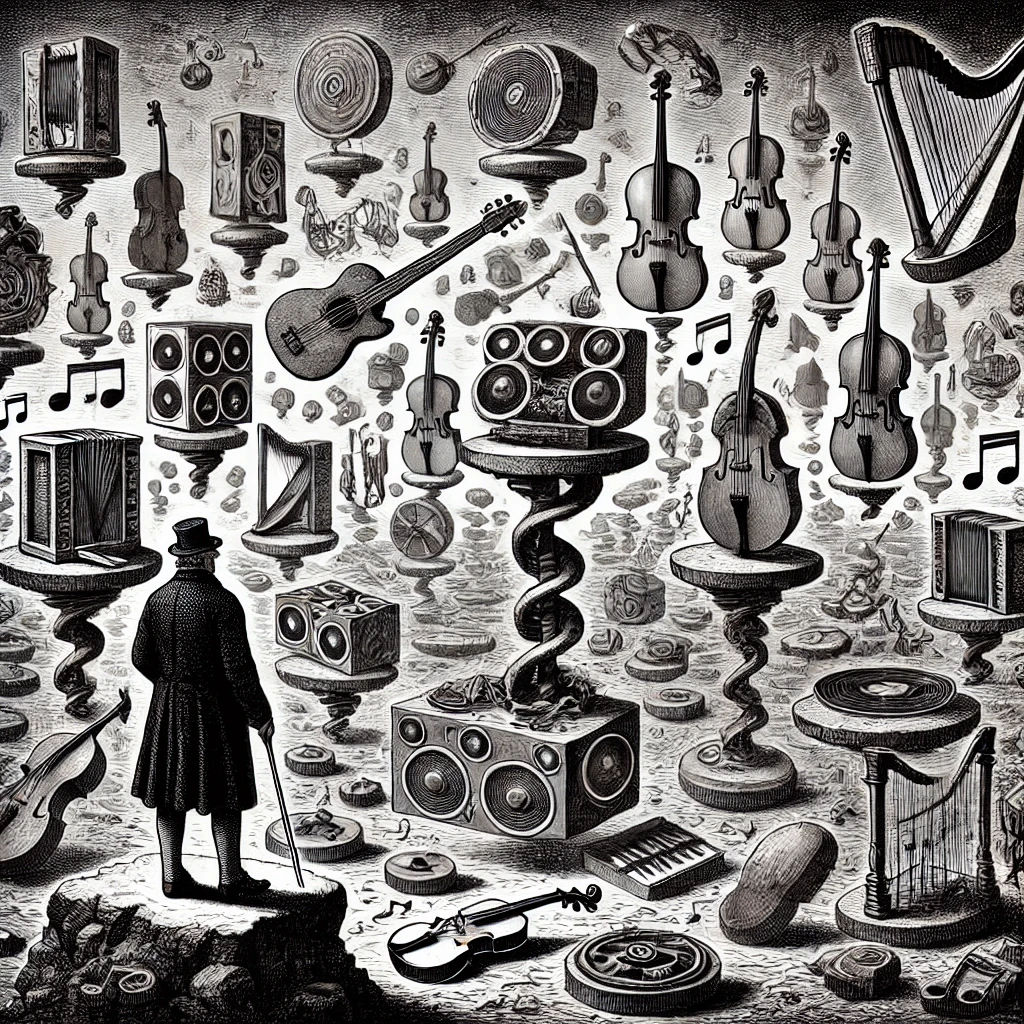
Example of unsupervised learning
Can You think of other examples of unsupervised learning and/or clustering ?
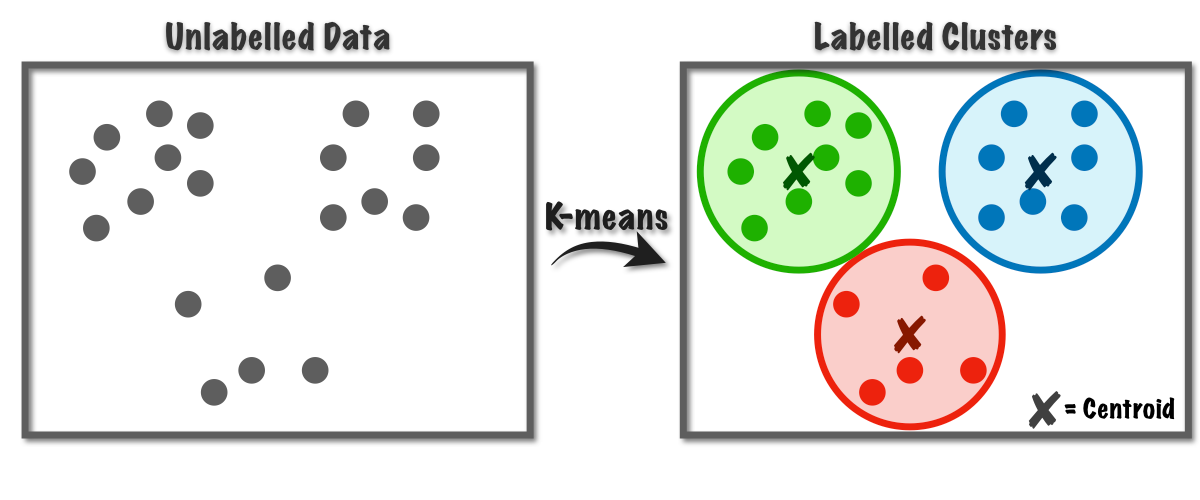
Clustering
Features of implicit learning
No direct guidance :: Learner L must identify patterns or relationships from raw input on her own.
Pattern discovery :: Observation often involves recognizing and understanding patterns in the environment, which mirrors what happens in unsupervised learning.
Learning from the environment :: L derives insights from the world or data without external labels or supervision.
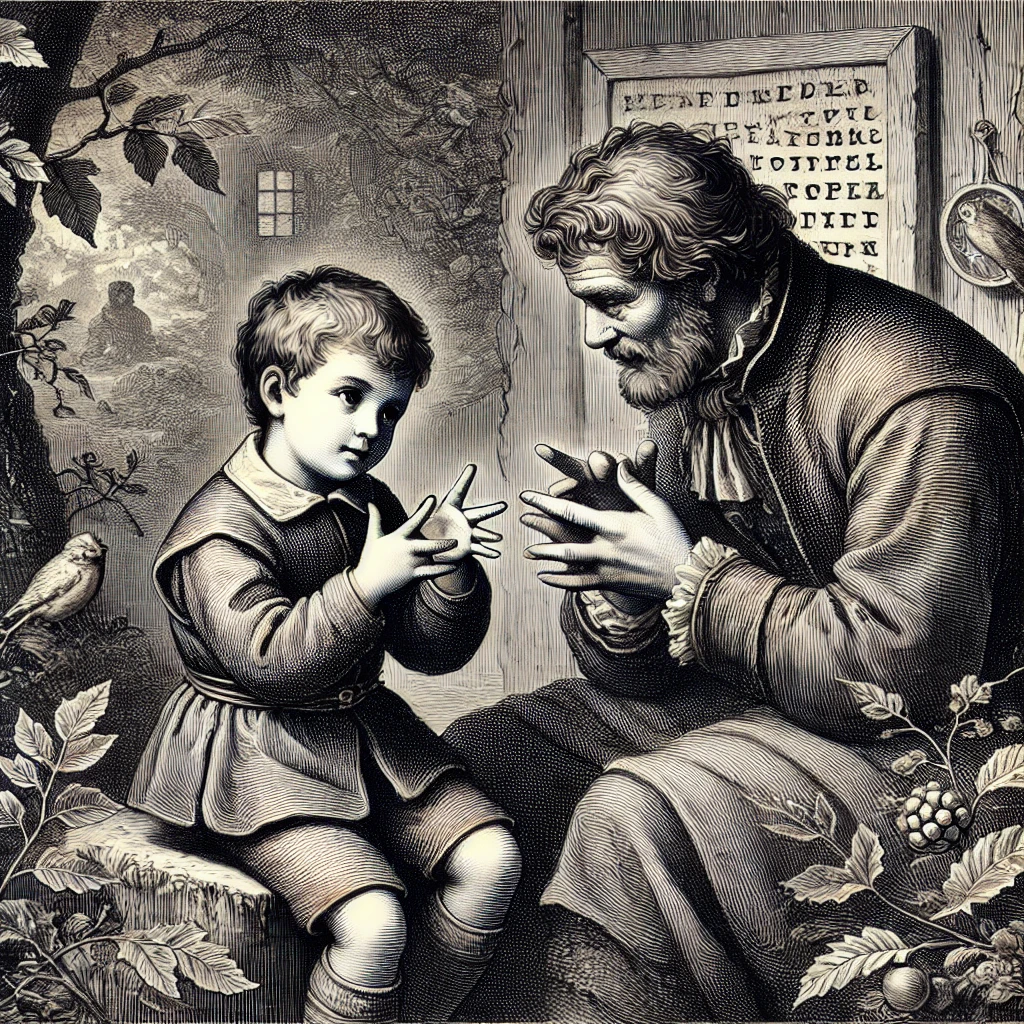
Imitation