Repetitio
Session 0 :: Introduction
Recommended literature
Howard Gardner :: Frames of Mind / The Theory of Multiple Intelligences
David Goleman :: Emotional Intelligence : Why it can matter more than IQ
Singer et al. :: A Piaget Primer: How a Child Thinks
Murray & Herrnstein :: The Bell Curve: Intelligence and Class Structure in American Life (Achtung! Controversy)
Nick Bostrom :: Superintelligenz
Carlo M. Cipolla: The Basic Laws of Human Stupidity
Referat(s) welcome, Hausarbeit (5 SWS) possible. Note: Lecture of one of these books is mandatory for all those whose attendance will be between 1/2 and 2/3.Course materials
baumhaus.digital/intelligence
Note: baumhaus presentations in different sessions are synchronized with my actions, i.e. when I change a folio in my browser, it will automagically change a folio in Your browser as well, click on "Session 2" and experience it for Yourself
Matrix room
https://medienhaus.udk-berlin.de/classroom
and subsequently join the course (#edu-psyche) room:
https://medienhaus.udk-berlin.de/classroom/#/room/#edu-psyche:medienhaus.udk-berlin.de
(or install matrix client apps like Element or Fluffychat and put "medienhaus.udk-berlin.de" as homeserver)
Formalities
who am I
who are You
is this a course for You ?
credits (2 ECTS for >75% attendance, +1 for referat/experiment)
Hausarbeit possible
need help ? (tutor: a.terzieva@udk-berlin.de)
Leistungsnachweis
signature-related issues
Smartphone & Feedback box
Other referat || intervention topics
Greek muses
fostering of intelligence
evaluation of intelligence
Flynn effect
stupidity
udk.ai
GPT4's answer
Learning and Adaptation
Reasoning & Problem Solving
Memory & Knowledge
Perception
Emotional Intelligence
Creativity
It's important to note that intelligence is still a topic of debate among psychologists and neuroscientists. Traditionally, intelligence was often measured using IQ (intelligence quotient) tests, but many experts now believe that IQ tests capture only a narrow slice of what constitutes human intelligence. Moreover, various cultures might emphasize different abilities or qualities when defining or valuing intelligence, so the concept can be both culturally and contextually relative.
Perception
Human sensorics
sight, hearing, smell, taste
Tactition (Touch): pressure, vibration, thermoception (temperature)
Nociception (Pain): This is the sense of detecting harmful stimuli, signaling potential injury. There are specialized pain receptors throughout the body.
Equilibrioception (Balance): Located in the inner ear, vestibular system helps us maintain our balance and spatial orientation.
Proprioception (Body Position): Also known as the "sense of self," this sense allows us to know where our body parts are in relation to each other, even without looking.
Interoception (Internal Sensations): This refers to the sense of the internal state of the body. It can include sensations of hunger, thirst, and the need for bodily functions.
Stretch Receptors: These are found in muscles and tendons and allow us to sense the stretching of muscles and the position of our limbs.
Chemoreceptors: These detect changes in the chemical composition of the body, such as changes in oxygen or carbon dioxide levels in the blood.
Proprioception exercise
We will now listen to excerpts from Michael Nyman's piece "The Heart asks pleasure first" (Das Piano soundtrack).
After the music stops, open Your eyes.

Memory

Reasoning

Learning & Adaptation
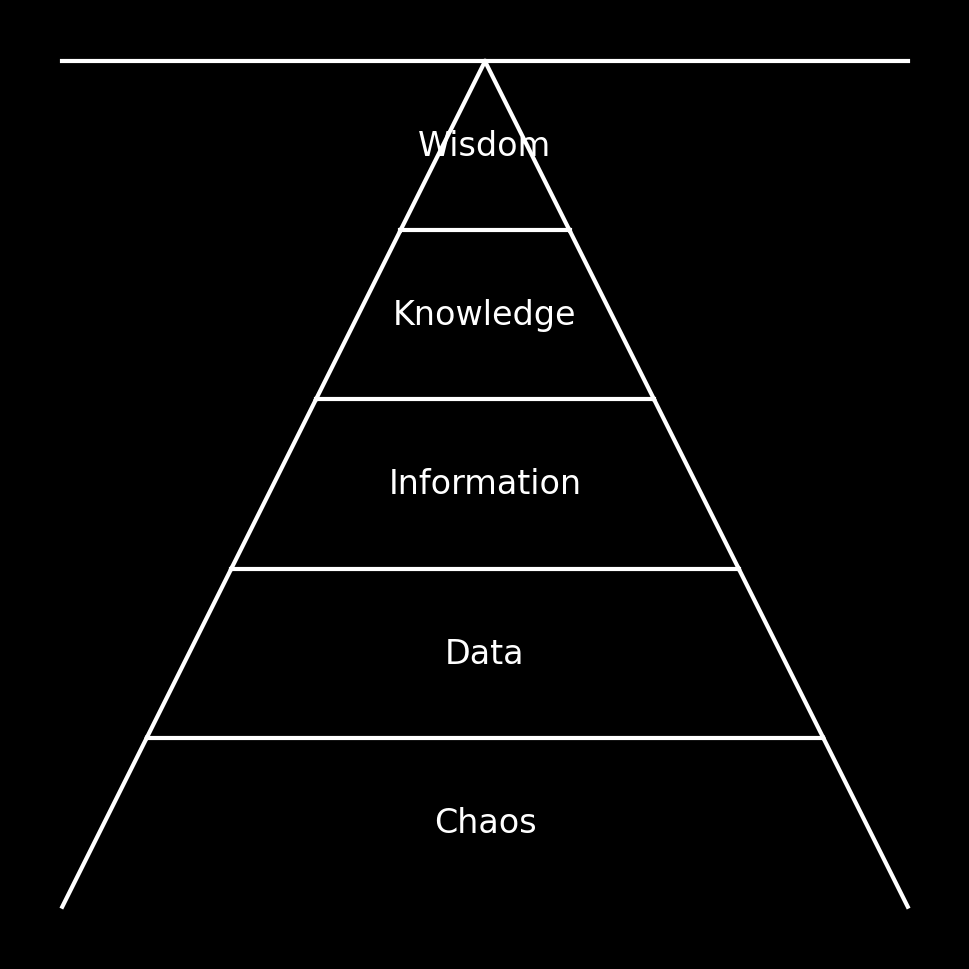
Knowledge

Creativity

Emotional Intelligence
.png)
